
Poland Travelers Guide
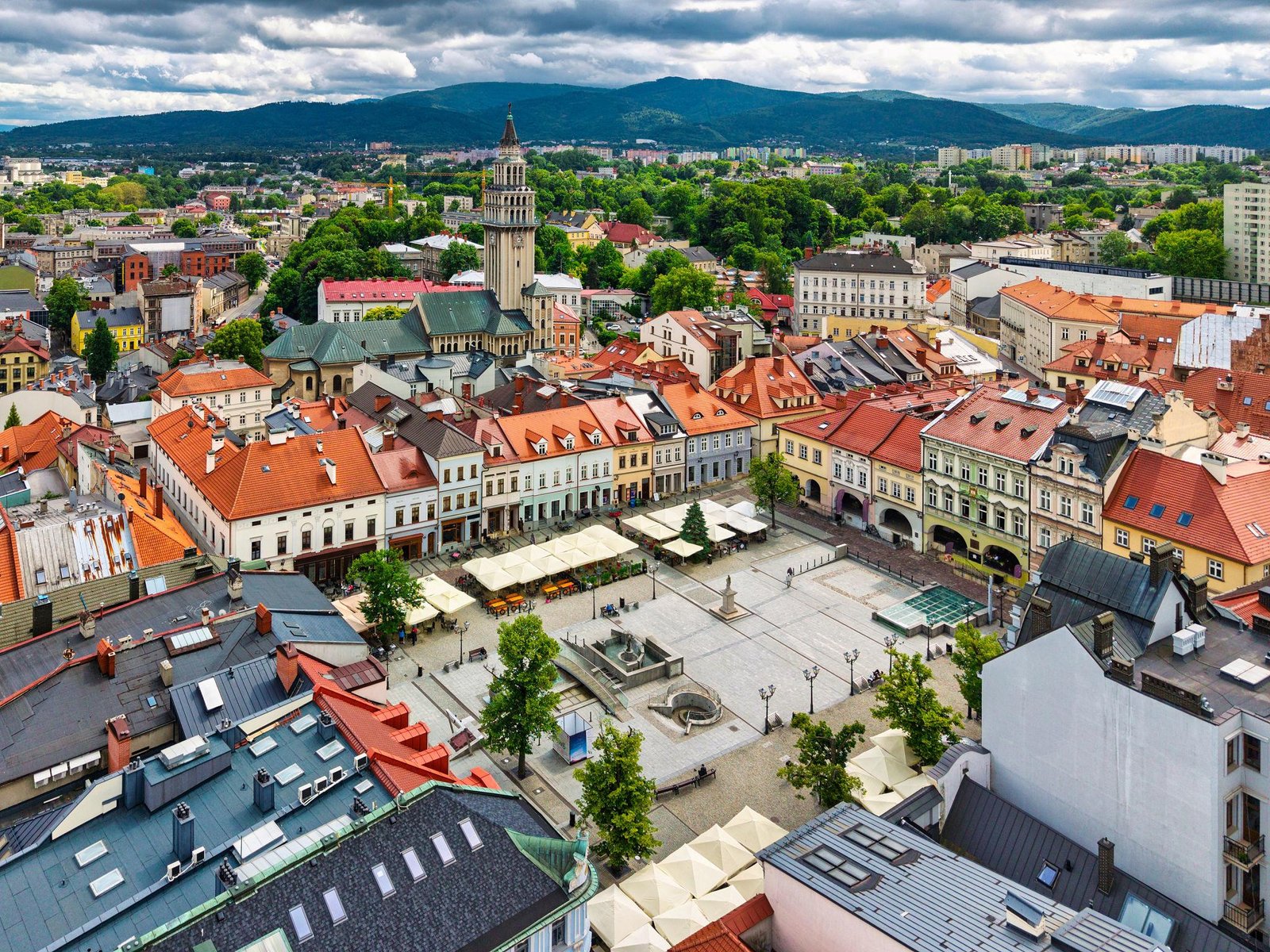
Traveler’s Guide
Poland is part of the Schengen Area, which means there are generally no internal border checks between member countries, allowing free movement once you are inside the zone.
✦ Visa-free entry (no visa required)
Many travelers can enter Poland without a visa for short stays (up to 90 days within a 180-day period), including citizens of countries such as the United Kingdom, United States, Canada, Australia, Japan, South Korea and New Zealand.
This applies to tourism, business visits and family stays.
✦ If you need a visa
If you are not eligible for visa-free entry, the standard visa for short stays in Poland is:
Schengen Visa Type C
Valid for short stays up to 90 days in any 180-day period
Allows travel across all Schengen countries, including Poland
Issued for tourism, business or short visits
✦ Entry requirements (documents)
To enter Poland, travelers must carry a valid travel document:
EU/EEA citizens:
Valid national ID card or passport (valid for the entire stay)
Non-EU citizens:
Valid passport required
(recommended validity: at least 3 months beyond planned departure from the Schengen Area)
Documents must be in good condition. Damaged, heavily worn, or unreadable documents may be refused at the border.
✦ Important rules
The 90/180 rule applies to both visa-free travelers and Schengen visa holders
Overstaying is a violation of Schengen regulations
Border control may request proof of accommodation and return ticket
Working is not allowed on a tourist visa or visa-free stay
✦ Official information
Always check the latest entry requirements before traveling on the official website of the Polish Ministry of Foreign Affairs: https://www.gov.pl/web/diplomacy/visas
✦ What is the currency?
The official currency is the Polish Złoty (PLN)
Currency overview
1 EUR ≈ 4,20 PLN (approx.)
1 USD ≈ 3,6 PLN (approx.)
Exchange rates change daily, but this gives a practical travel estimate.
✦ Payments
Visa and Mastercard are widely accepted across Poland, especially in cities, hotels, restaurants, and tourist attractions. However, it is still recommended to carry a small amount of cash in the local currency (Polish Złoty) for smaller purchases or places where card payments may not be available.
✦ Example prices in Poland
Here are typical prices to help you plan your stay:
Coffee: 12–20 PLN (≈ €2.80–€4.70)
Fast food: 25–40 PLN (≈ €5.80–€9.30)
Restaurant meal: 60–120 PLN per person (≈ €14–€28)
Museum / attraction entry: 20–80 PLN (≈ €4.70–€18.50)
✦ ATMs
ATMs and currency exchange offices are widely available in cities, airports, and tourist areas, with “kantor” exchange offices operating in most towns.
✦ Greetings
Cześć – Hi
Dzień dobry – Hello / Good morning
Dobry wieczór – Good evening
✦ Polite expressions
Dziękuję – Thank you
Proszę – Please / You’re welcome
Przepraszam – Sorry / Excuse me
✦ Useful travel phrase
Ile to kosztuje? – How much is it?
Even a simple “Dzień dobry” is always appreciated by locals.
✦ Road Rules
In Poland, traffic moves on the right-hand side and speed limits are 50 km/h in cities, 90 km/h outside urban areas, and up to 140 km/h on highways. Speed enforcement is strict, with frequent speed cameras and section (average-speed) control systems on main roads and highways. City driving can be challenging due to traffic, parking, and restricted zones, while highways may include toll sections.
✦ Alkohol Limits
The alcohol limit is 0.2‰ — exceeding it is treated very seriously and can be classified as a criminal offence, not just a traffic violation.
✦ Electricity
Poland uses 230V with Type C / E plugs (European standard).
✦ Emergency number
112 – works across the EU for all emergencies.
✦ Internet
Mobile data and Wi-Fi are widely available and affordable.
✦ Safety
Poland is generally considered a safe destination for tourists.
✦ Shopping Hours in Poland
Most shops are open between 9:00 and 21:00. Many shops are closed on Sundays, except in tourist areas, gas stations, and restaurants.
✦ Social behavior
Polish people may seem reserved or formal at first contact, especially with strangers, but this is usually a matter of cultural style rather than distance. With time and conversation, locals are typically warm, open, and very helpful. In everyday interactions, behaviour that is considered disrespectful or inappropriate (such as loud, disruptive or rude conduct in public or religious places) may be negatively perceived by locals, as politeness and respect are important parts of the culture.
✦ Greetings
Not saying “Dzień dobry” when entering or “Do widzenia” when leaving a shop or restaurant can be perceived as impolite in Poland, as basic greetings are an important part of everyday etiquette.
✦ Tipping in Restaurants in Poland
Tipping in Poland is not mandatory, but it is commonly expected in restaurants when the service is good. It is usually left in cash or added when paying by card, if the terminal allows it. If you are unhappy with the service, tipping is not required.
✦ Religion & cultural background
The majority of Poles identify as Roman Catholic, and religion can still play a role in traditions, holidays, and cultural customs, especially in smaller towns and rural areas.
Poland offers attractions all year round, with different experiences depending on the season.
✦ Summer season
Warm months are ideal for exploring mountains, nature, lakes, and outdoor sightseeing, especially in southern Poland. It’s the best time for active travel and scenic landscapes.
✦ Winter season
Colder and rainy months are perfect for cities, museums, and indoor attractions, with fewer tourists and a more relaxed atmosphere. It’s also a great time to experience local culture more calmly.
✦ No matter the season, Poland always offers something worth discovering.