
Things to do in Southern Poland
Auschwitz-Birkenau State Museum (UNESCO)
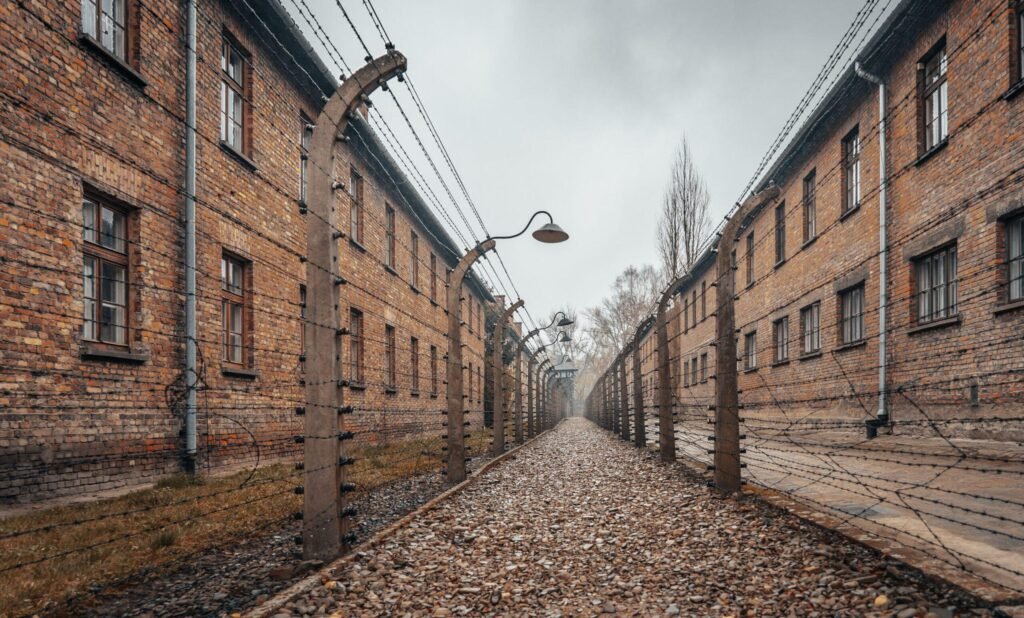
Auschwitz-Birkenau State Museum is a former Nazi German concentration and extermination camp in occupied Poland during World War II, now preserved as a Holocaust memorial and museum.
It is one of the most important historical sites in Europe, where over 1.1 million people were murdered, most of them Jews, along with Poles, Roma, Soviet prisoners of war, and others. Today it serves as a place of remembrance, education, and reflection on the crimes of the Holocaust.
Museum entry is free; fees apply only for the official guide. Transport, accommodation, and local host support are included in my service.
Reed more: https://www.auschwitz.org
Energylandia
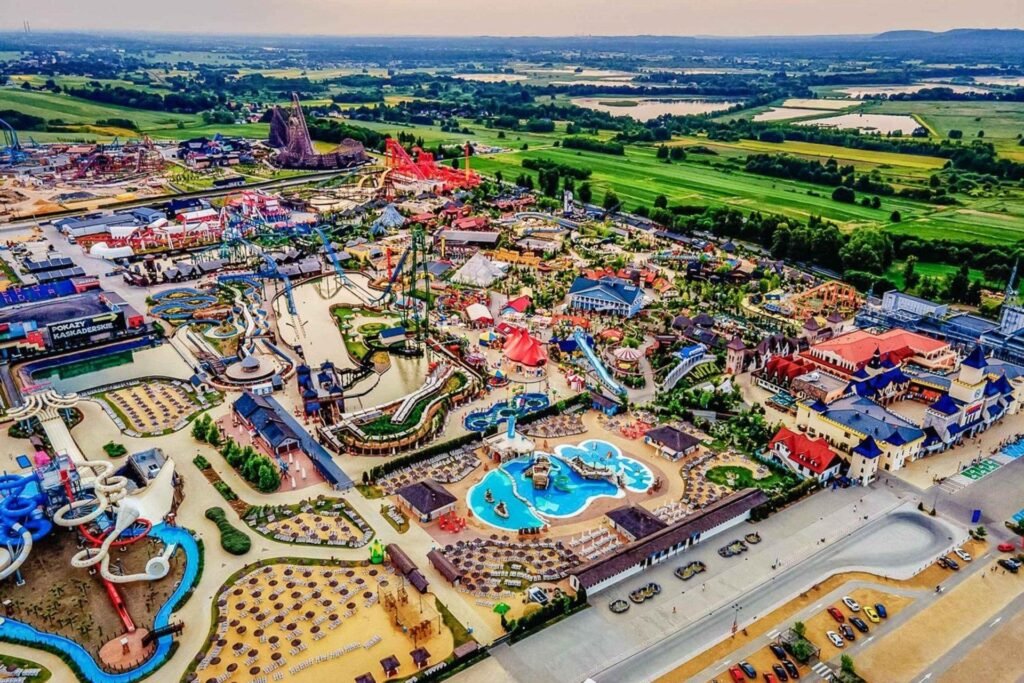
Energylandia is the largest amusement park in Poland, located in Zator (southern Poland). It offers over 100 attractions, including world-class roller coasters, themed zones, and a large water park.
The park is known for its extreme rides like Zadra, family attractions, and seasonal events. It is one of the most popular leisure destinations in the region, attracting millions of visitors every year.
Official website: https://energylandia.pl/
Wieliczka Salt Mine (UNESCO)
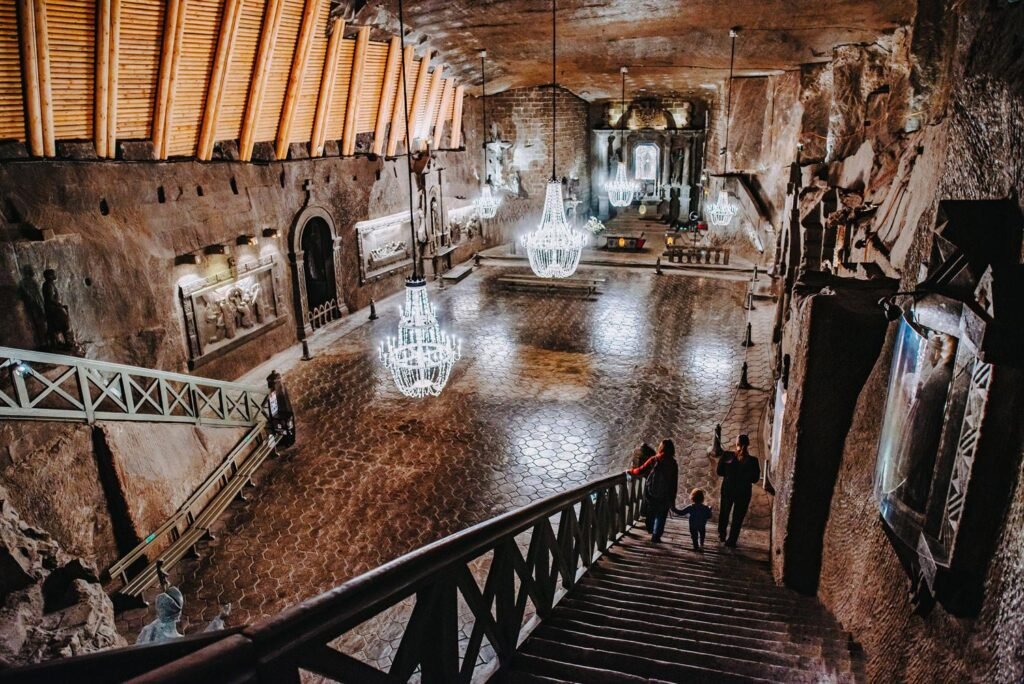
Wieliczka Salt Mine is one of the oldest operating salt mines in the world, located near Kraków in southern Poland. It is famous for its underground chambers, lakes, tunnels, and salt-carved chapels.
The mine is a UNESCO World Heritage Site and features impressive spaces like the Chapel of St. Kinga, entirely carved in salt. It is one of Poland’s most visited attractions and a unique example of historical mining and craftsmanship.
Official website: https://www.wieliczka-saltmine.com/
Tarnowskie Góry Lead-Silver-Zinc Mine (UNESCO)
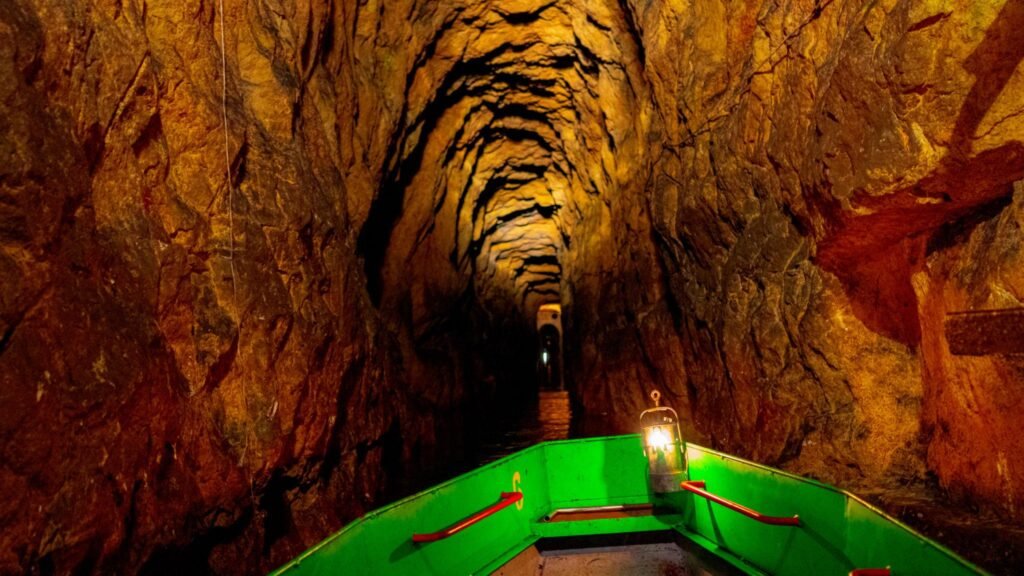
Tarnowskie Góry Lead-Silver-Zinc Mine and its Underground Water Management System is a UNESCO World Heritage Site in southern Poland. It represents one of the most important historical mining complexes in Europe.
The site includes underground tunnels, shafts, and water drainage systems developed since the 16th century. Today, visitors can explore parts of the mine by boat in the famous Black Trout Adit, making it one of the most unique industrial heritage attractions in Poland.
Official website: https://www.kopalniasrebra.pl/
Monastery in Kalwaria Zebrzydowska (UNESCO)
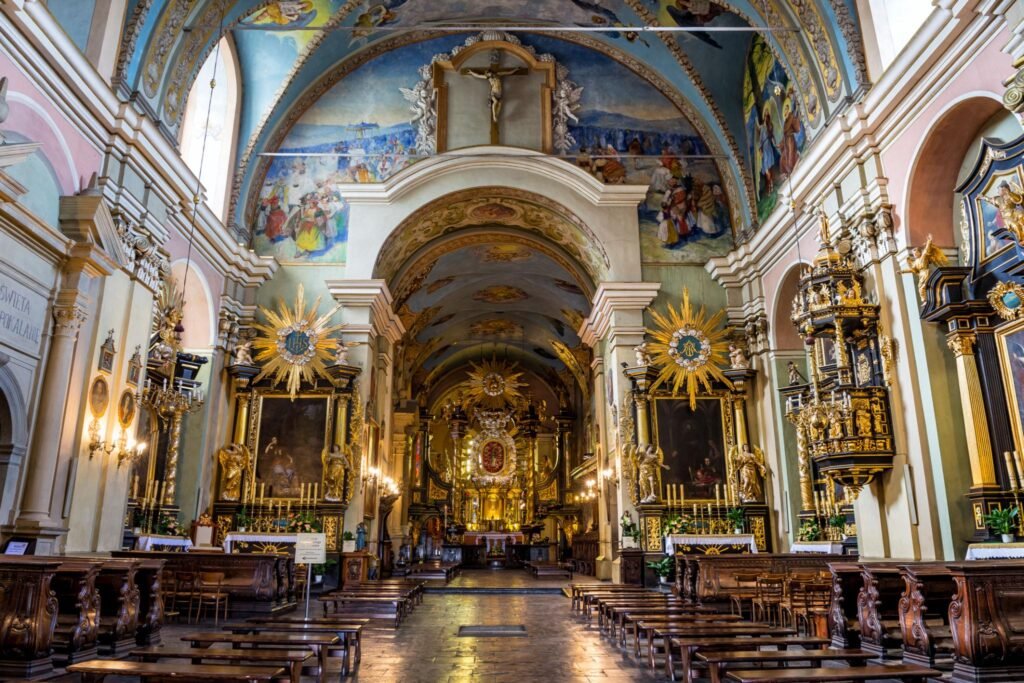
Kalwaria Zebrzydowska is a UNESCO World Heritage Site in southern Poland, known as one of the most important pilgrimage complexes in Europe. It consists of a baroque monastery and a system of chapels spread across scenic hills and forest paths.
The site is often called the “Polish Jerusalem” and is famous for its spiritual atmosphere, historical architecture, and walking pilgrimage routes that follow the Stations of the Cross.
Official site: https://www.kalwaria.eu/
Wawel Royal Castle (Kraków) (UNESCO)
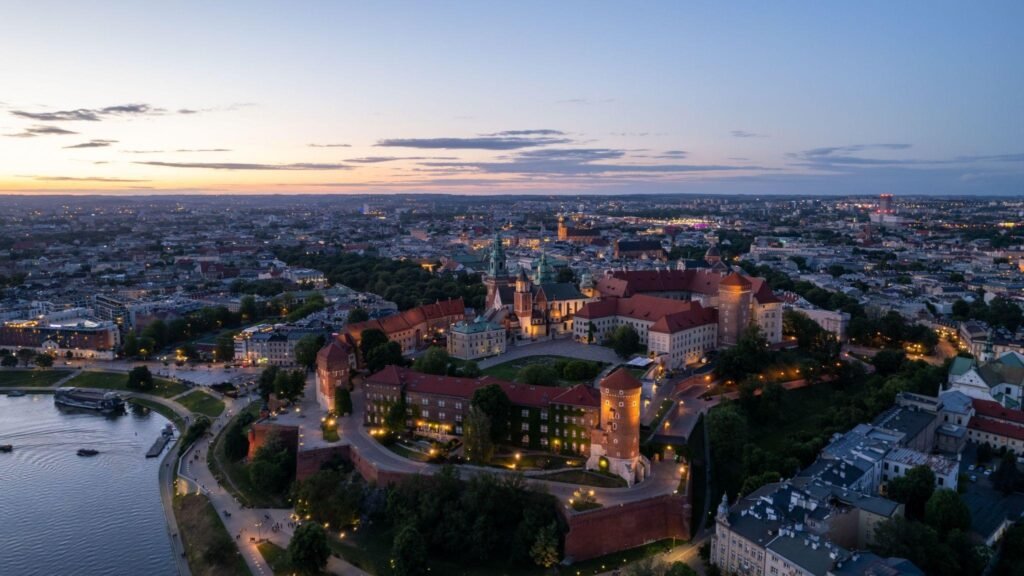
Royal Castle on Wawel Hill (UNESCO Historic Centre of Kraków) is one of the most important historical landmarks in Poland and a former residence of Polish kings.
Located above the Vistula River, the complex includes royal chambers, the Wawel Cathedral with royal tombs, and the famous Wawel Dragon legend site. It is a key symbol of Polish history and one of the most visited attractions in the country.
Official website: https://wawel.krakow.pl/
Kraków Main Market Square (Rynek Główny) (UNESCO)
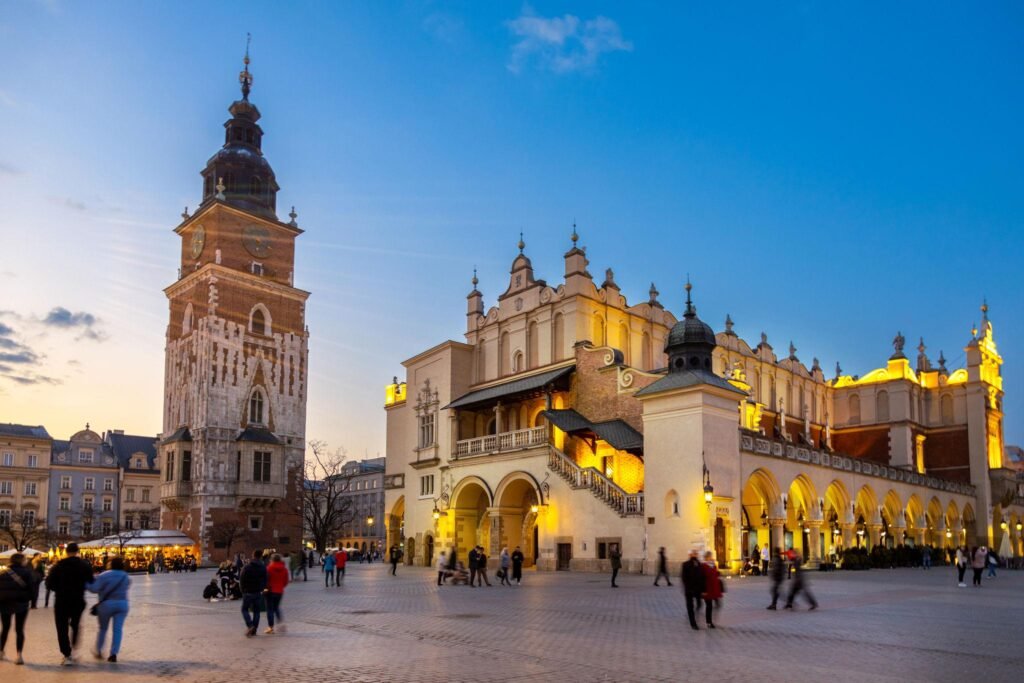
Kraków Main Market Square (Rynek Główny) is the central square of Kraków and one of the largest medieval town squares in Europe, located in the UNESCO-listed Historic Centre of Kraków.
It is surrounded by historic townhouses, the Cloth Hall (Sukiennice), and St. Mary’s Basilica. Today it is the cultural heart of the city, full of restaurants, street performers, and historic architecture, attracting millions of visitors every year.
Official city info: https://www.krakow.pl/
Pszczyna Castle & Park Complex
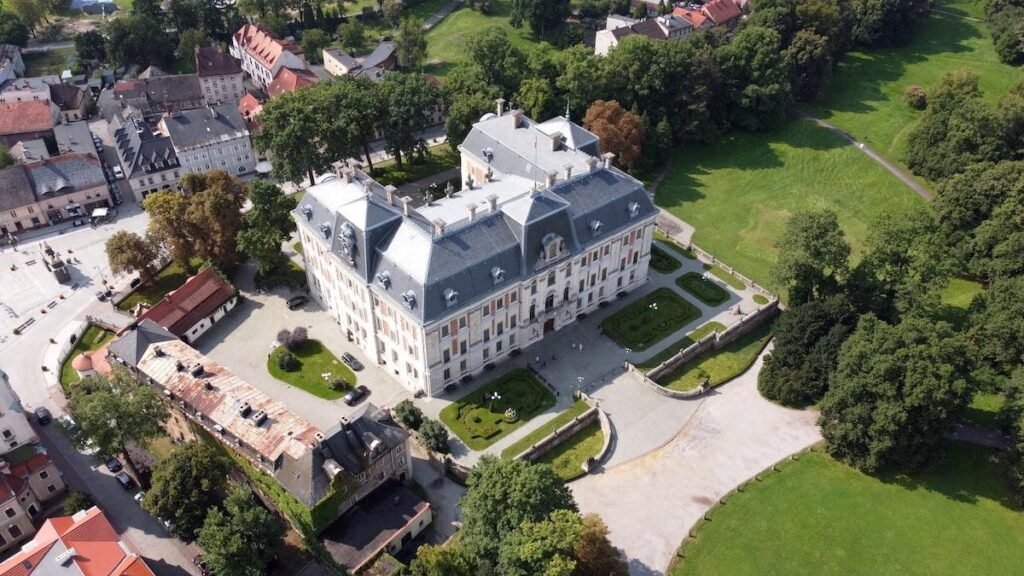
Pszczyna Castle & Park Complex is one of the best-preserved aristocratic residences in Poland, often called the “Pearl of Upper Silesia.” The palace was a former residence of European nobility and features richly decorated historic interiors.
The surrounding English-style park covers around 160 hectares, with lakes, old trees, and walking paths, making it one of the largest palace parks in Poland. The nearby Pszczyna market square (Rynek) adds a charming historic town atmosphere with cafes and classic architecture.
Official website: https://www.zamek-pszczyna.pl/
Jura Krakowsko-Częstochowska (The Polish Jura)
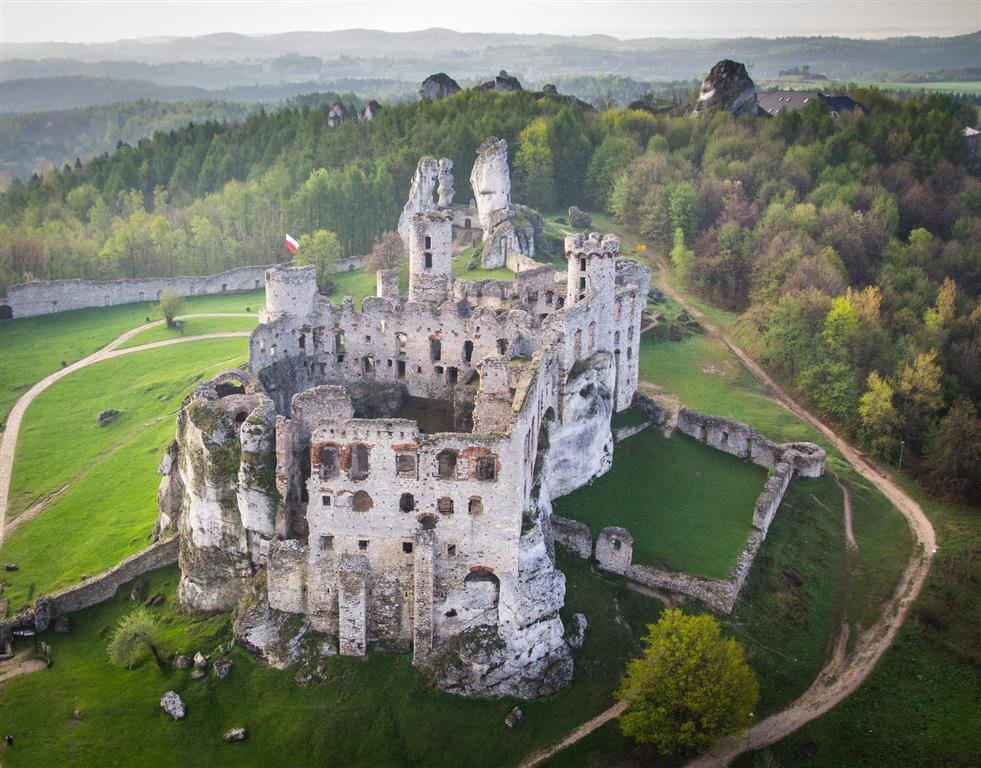
The Jura Krakowsko-Częstochowska is a limestone region in southern Poland known for dramatic rock formations and medieval “Eagle’s Nests” castles built on cliffs.
It is a top destination for hiking, climbing, and castle exploration, featuring iconic sites like Ogrodzieniec Castle and scenic trails across rolling hills and forests.
Regional info: https://www.jura.info.pl
Beskidy Mountains
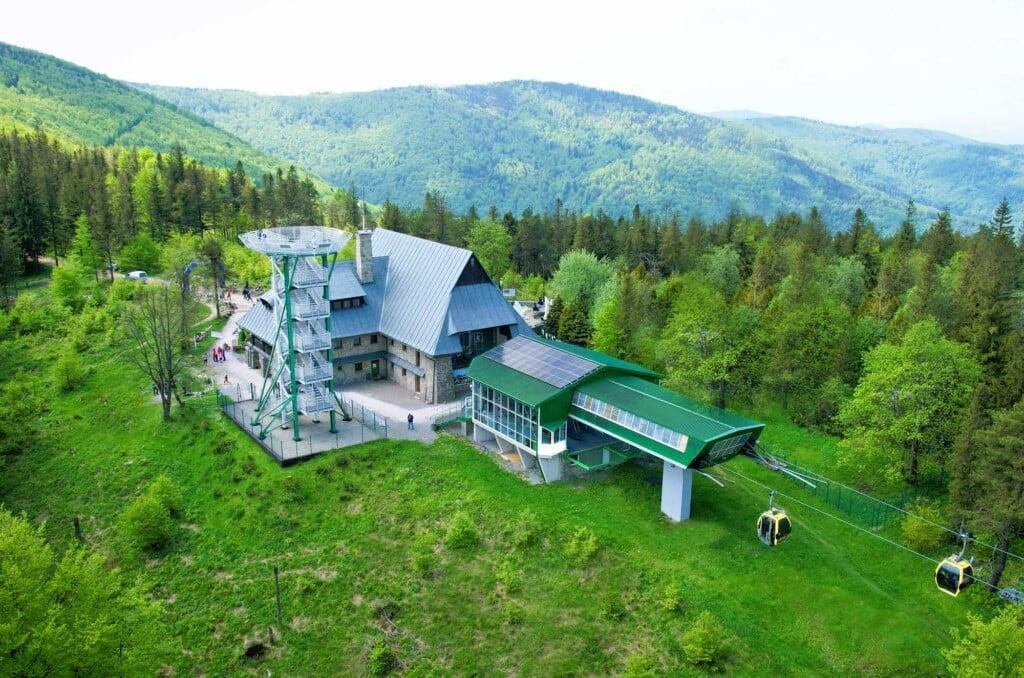
The Beskidy Mountains are a wide mountain range in southern Poland, offering rolling peaks, forests, and scenic hiking trails.
They are known for accessible mountain tourism, ski resorts like Szczyrk, and viewpoints such as Babia Góra. The region is popular for both summer hiking and winter sports, with a more gentle landscape compared to the Tatra Mountains.
Regional info: https://www.beskidy.travel/
Zakopane & the Tatra Mountains
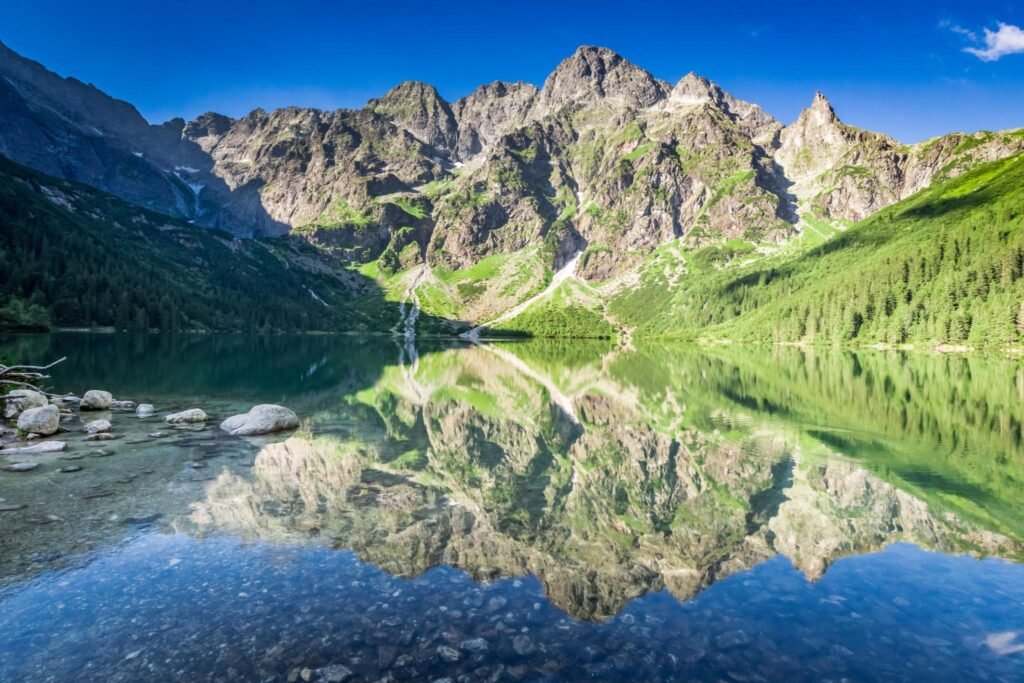
Zakopane & the Tatra Mountains is the most famous mountain destination in Poland, located at the foot of the Tatra range in southern Poland. Zakopane is known as the “winter capital of Poland” and a base for exploring the highest peaks in the country.
The town offers traditional wooden architecture, the lively Krupówki street, and direct access to hiking trails leading into the Tatra National Park. The surrounding mountains provide some of the most dramatic landscapes in Central Europe, including peaks like Giewont and views of Morskie Oko.
Official tourism info: https://www.zakopane.pl/
Chochołowskie Termy (Chochołów Thermal Baths)
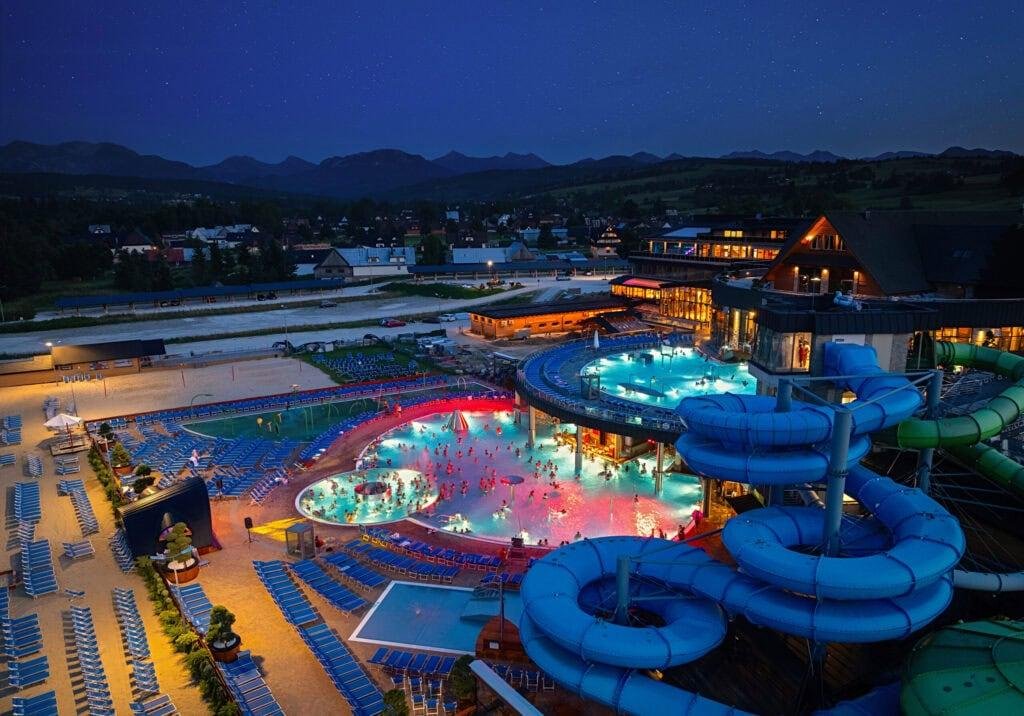
Chochołowskie Termy are the largest thermal baths complex in Poland, located in Chochołów near Zakopane in southern Poland. The complex uses natural geothermal water rich in minerals, known for its relaxing and health benefits.
It offers indoor and outdoor pools, saunas, water slides, and spa zones, all with views of the Tatra Mountains. It is one of the most popular wellness attractions in the region for both relaxation and family visits.
Official website: https://www.chocholowskietermy.pl/
Project Riese (Owl Mountains Underground Complex)
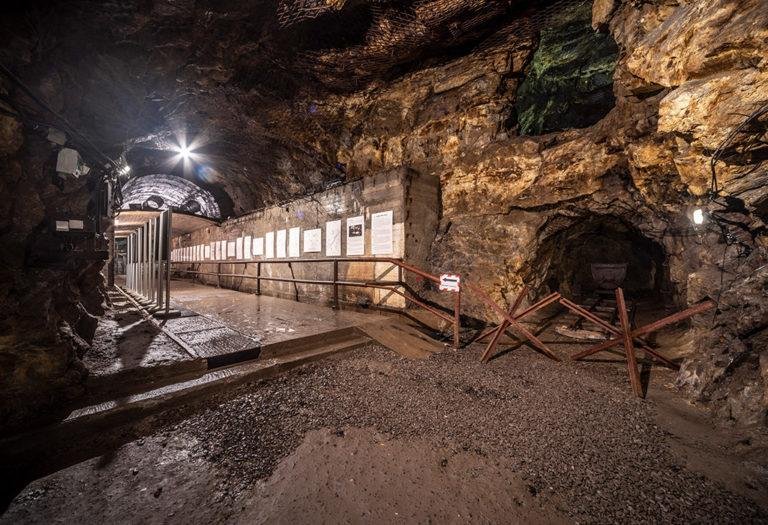
Project Riese was a large, unfinished underground construction project built by Nazi Germany during World War II in the Owl Mountains (Sudety) in southern Poland. It consists of extensive tunnels, bunkers, and underground halls carved into solid rock.
Today, parts of the complex such as Osówka and Sztolnie Walimskie are open to visitors and offer guided tours through mysterious wartime underground structures. It is one of the most intriguing WWII historical sites in Poland.
Official info: https://www.sztolnie.pl/
Książ Castle (Wałbrzych) (UNESCO)
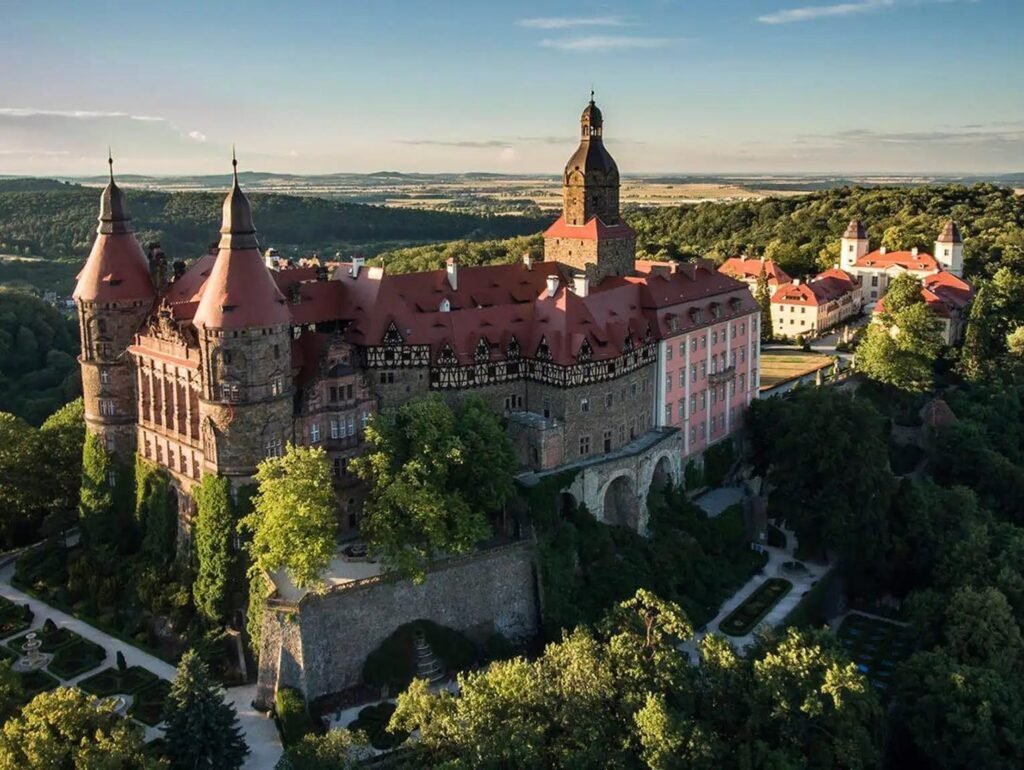
Książ Castle is one of the largest and most impressive castles in Poland, located in Wałbrzych in Lower Silesia. It sits dramatically on a cliff surrounded by forests and overlooks the Pełcznica River valley.
The castle has a rich and complex history, combining medieval origins with baroque and neo-Renaissance architecture. It is also connected to wartime mysteries from World War II, making it both a cultural and historical landmark.
Official website: https://www.ksiaz.walbrzych.pl/
More attractions in Southern Poland can be found on the official Polish tourism website:
https://www.poland.travel/en